Observation card
Record what happens before you decide why. Note inputs, outputs, and the exact turn where certainty ends.
Developer field school
Qisoranel is a working camp for developers who want a calmer way to explore unfamiliar systems, build useful things, debug with evidence, and leave a trail another person can follow.
01 / pick a bearing
Start at the kind of work in front of you. Every route makes room for plain language, small experiments, and notes worth reopening.
EXPLORE ROUTE
Learn to orient in an unfamiliar repository: trace a request, label assumptions, and turn a vague brief into a field map you can test.
02 / pack with intention
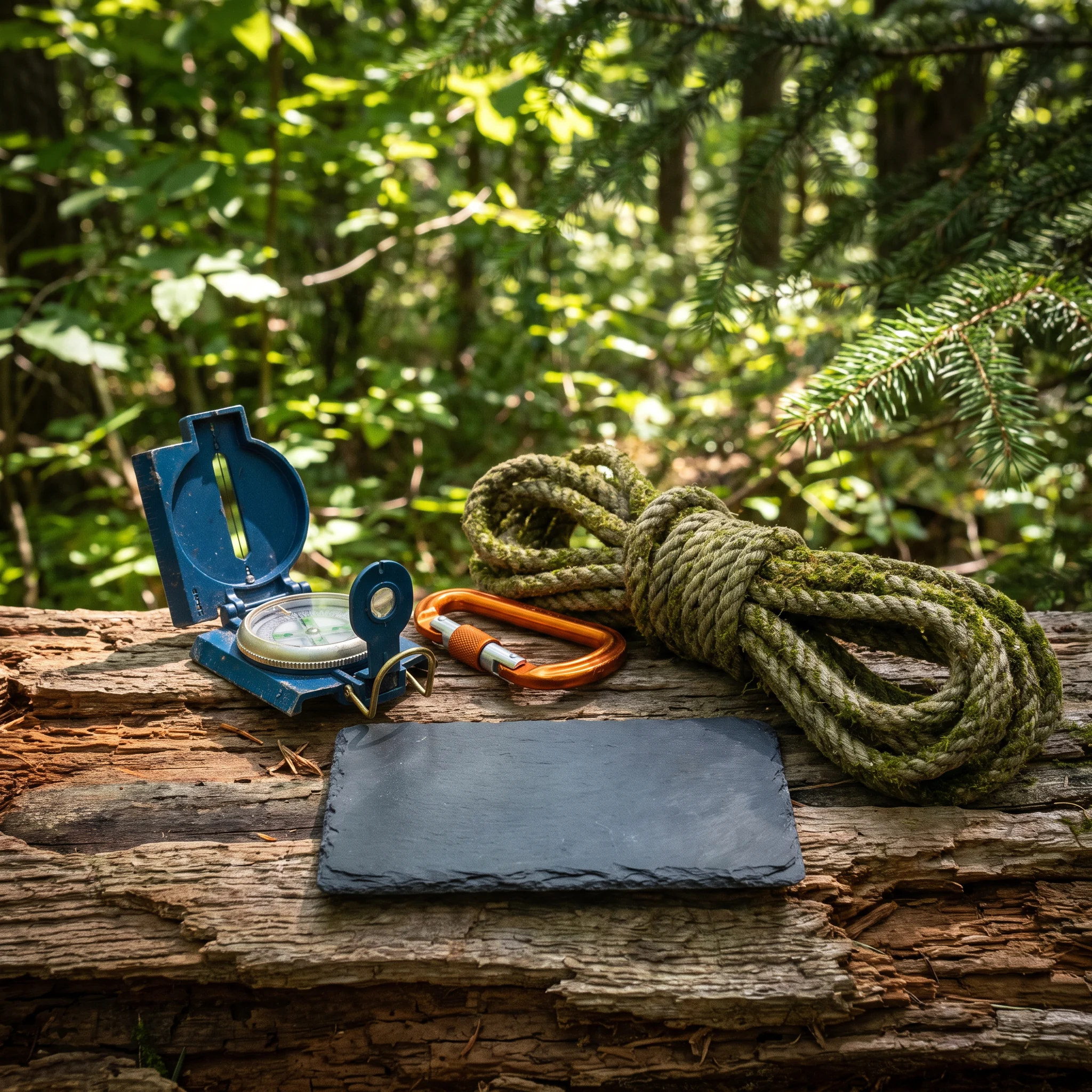
Tools are not the lesson. These cards are prompts for preparing the way we work: visible, reversible, and ready for a teammate.
Record what happens before you decide why. Note inputs, outputs, and the exact turn where certainty ends.
Leave a line at every fork: what changed, why it changed, and what would make you choose differently.
Turn a confusing failure into a short route someone else can walk without borrowing your memory.
Close the day with context, a current state, and the smallest sensible next move for the next pair of hands.
03 / walk the loop
Not a race, not a lecture series. A repeated pattern for meeting work you do not yet understand.
Describe the system as it is, including the unknowns. Give the work a boundary you can hold.
Build the smallest move that can teach you something. Keep the trail reversible while it is still foggy.
Compare the result with the observation. Ask what the system did, not what you hoped it would do.
Leave the discovery where another developer can find it: in a note, a test, a commit, or a clear conversation.
04 / field lab
Each bay lends a practical scene to a different kind of developer work. Look closely, make a move, then bring your own case to the table.
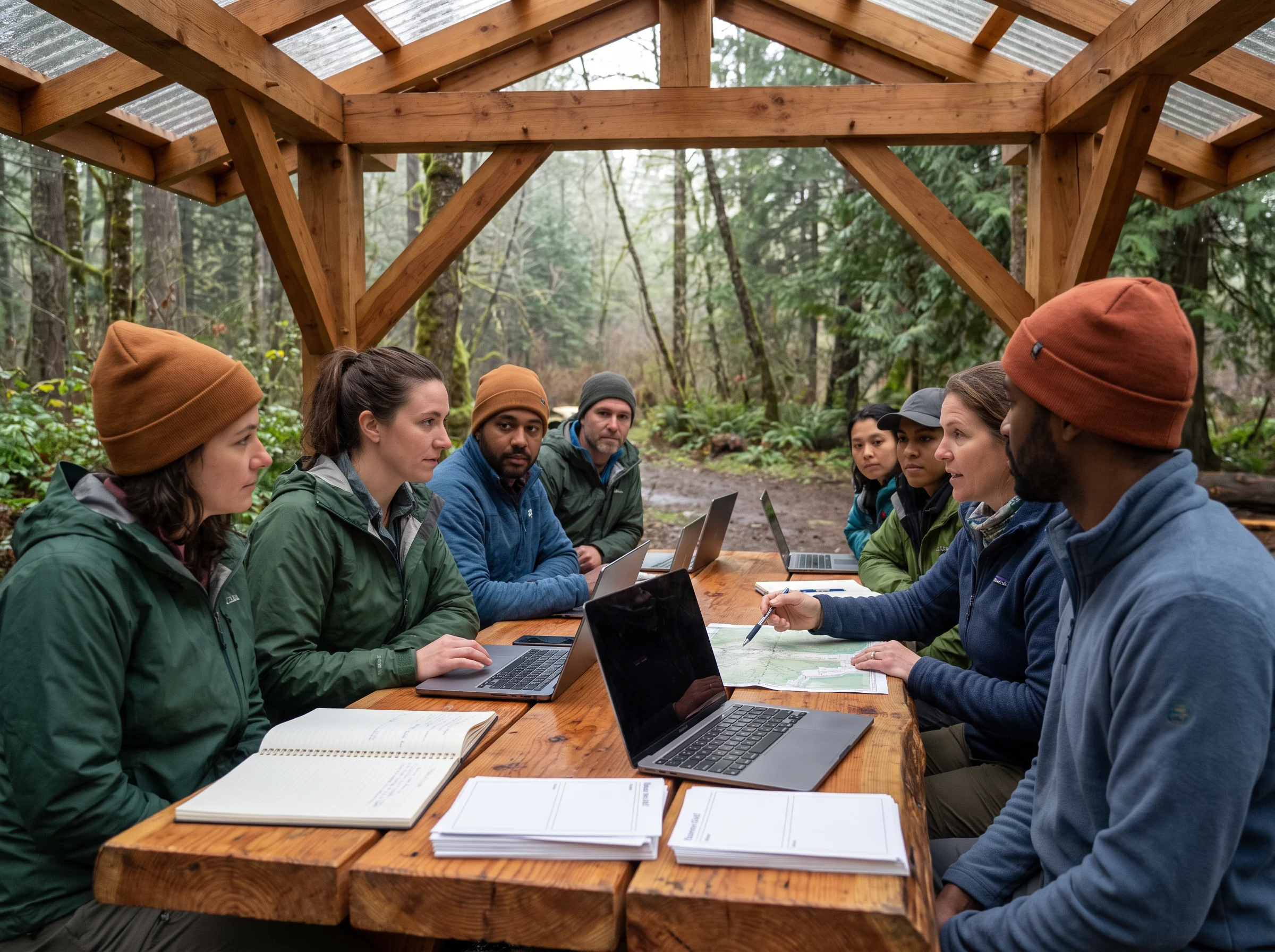
THE MAP TABLE

THE TOOL BENCH

THE SIGNAL BOX
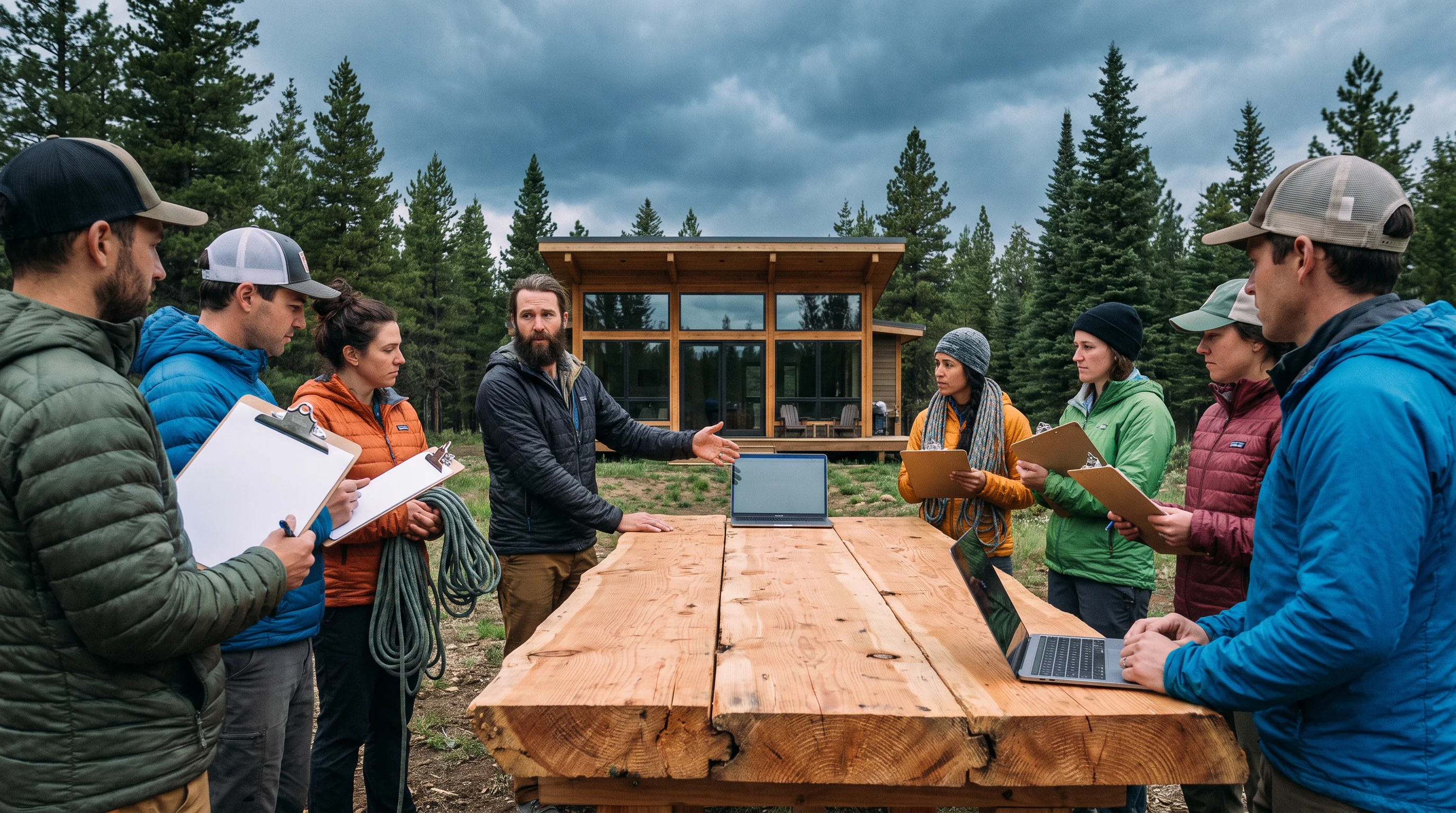
THE REVIEW RING
05 / recalibrate
Choose the feeling closest to the work. The compass will offer a first field move, not a magic answer.

06 / troubleshooting basecamp
Basecamp is a layout for untangling a live issue. The goal is not to make the work feel easy; it is to make the next move visible.
07 / twilight log
Projects have a temperature at the end of a working session. These log cards protect the useful details before the next morning makes them seem obvious.
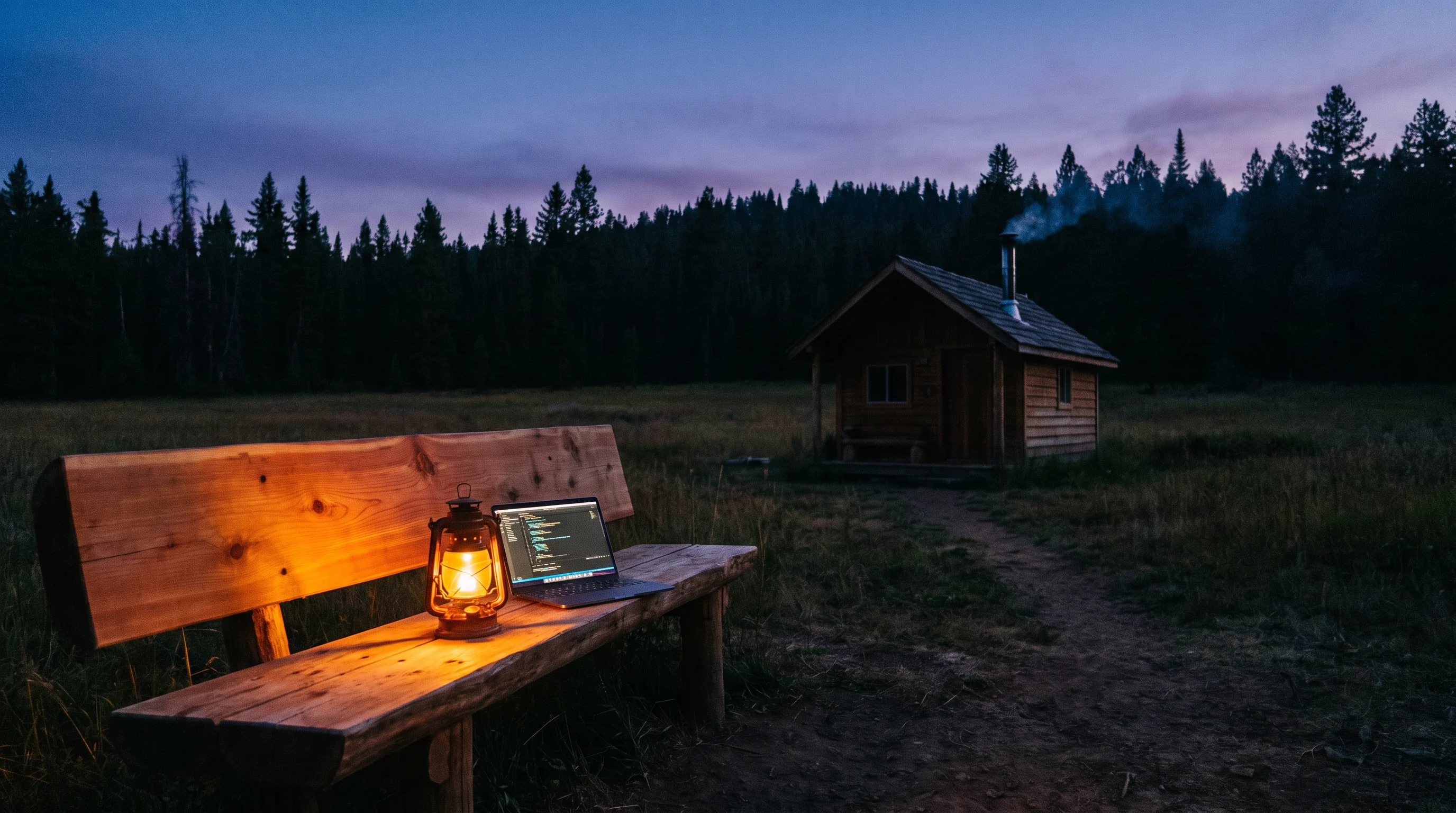 19:42 / cabin light
“The smallest reproduction stayed stable when we removed the data transform.”
“The request reaches the boundary we expected; the state change begins after it.”
“Tomorrow: trace the adapter with a single known input and keep the notes beside the test.”
08 / before departure
At Qisoranel, finishing means making the work legible to a person who was not there when the decision happened. We do not confuse a clean desk with a complete route.
Before you depart, name the terrain, pin the current location, and make the next step small enough to begin. That is a generous technical practice.
Write your trail note
09 / questions at the trailhead
No. Qisoranel is a field-school format rather than a fixed sequence of lessons or a credential programme. The routes provide a dependable working pattern, while the material comes from real technical questions, unfamiliar code, and decisions worth inspecting. You can enter through exploration, building, debugging, or a handoff concern and use the practices where they fit.
Bring a laptop if you have one, plus a problem that is concrete enough to describe without performing it perfectly. A repository, an error, a design decision, a confusing brief, or a pending handoff all work well. You do not need a polished project or a prepared presentation. The useful starting point is honest context and willingness to make small observations.
No. The camp practices are deliberately useful at different stages of experience because they focus on how to make uncertainty workable. Newer developers can use them to ask clearer questions and understand a system’s edges. More experienced developers can use them to surface assumptions, guide collaboration, and create handoffs that do not depend on private memory or unstated context.
The form is a browser-only note in this demonstration site, so it does not transmit your message to a server or create a subscription. After submission, you will see an on-page confirmation. In a live implementation, this is where a camp steward could review the context you chose to share and respond with an appropriate next conversation, without making promises about outcomes.
10 / trail note
Leave a short note about the kind of work you are carrying. This form stays in your browser; its confirmation is only a local signal that the note was received by the page.